
Table of Contents
more post
Tile-In vs Grate Cover Linear Drains–Which One Fits Your Target Market?
Why More EU Importers Are Sourcing Linear Drains from China Manufacturers
Total cost of ownership: Why european developers are choosing premuim linear drains over point drains 2026
In the evolving landscape of European construction and bathroom design for 2026, the conversation around drainage has shifted. While traditional point drains (centre drains) have long been the budget-friendly default, a growing number of developers, architects, and contractors are specifying premium linear drains—even with their higher upfront price tag.
The reason isn't just aesthetics; it’s economics. By looking at the Total Cost of Ownership (TCO)—which accounts for installation labor, material compatibility, maintenance, and project value—premium linear drains are proving to be the smarter financial decision for modern European builds.
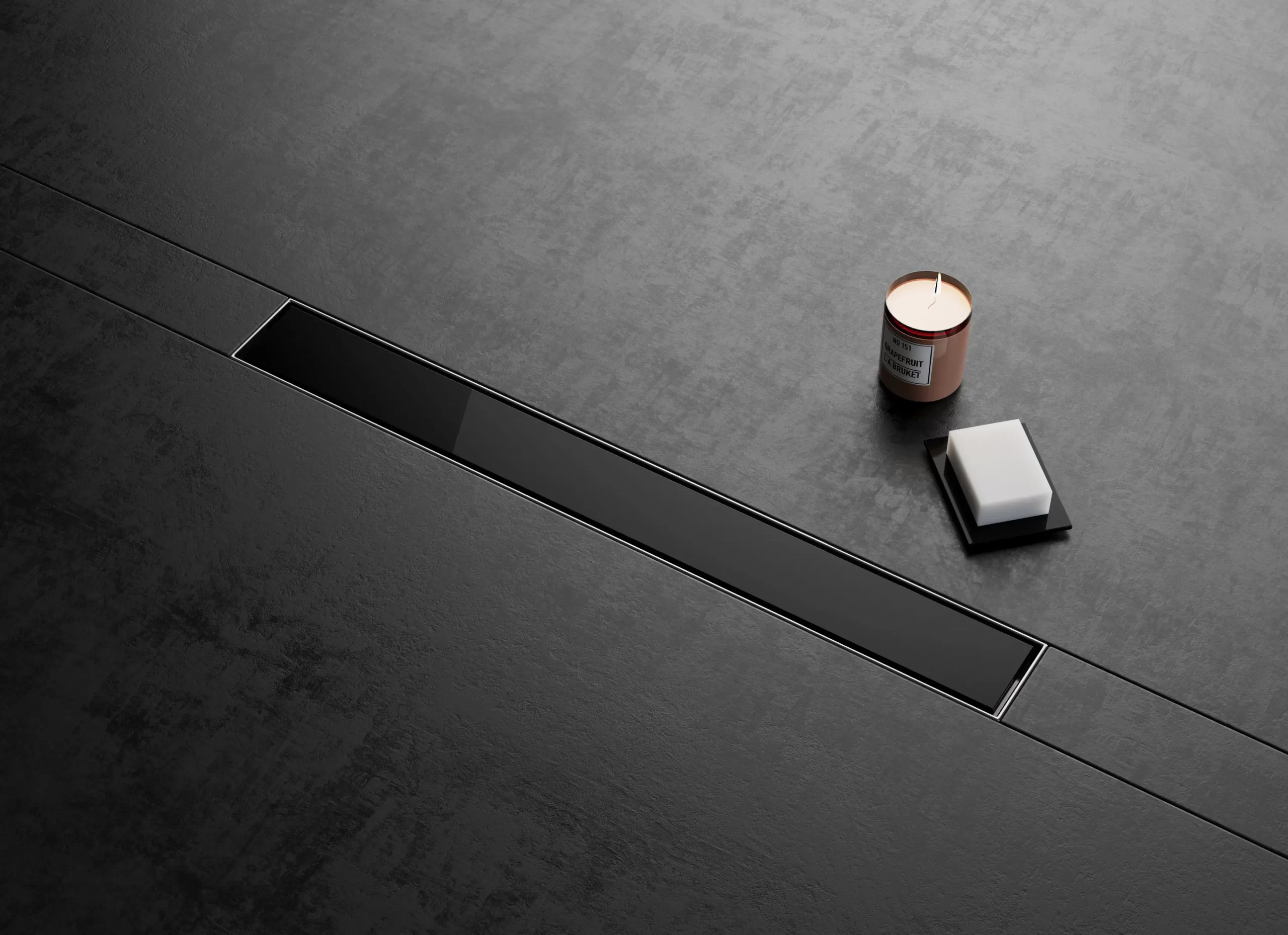
I. The Upfront Cost Myth: Looking Beyond the Price Tag
It is true that the initial purchase price of a high-quality linear drain is significantly higher than a standard point drain. However, European developers in 2026 are increasingly adopting a lifecycle costing approach.
In premium residential projects, hotels, and commercial wet rooms, the drain is no longer viewed as a mere utility item but as a critical component of the building envelope. The "cheapest" component often leads to the most expensive problems down the line, particularly in an era where labor costs in Europe are rising and skilled tilers are in short supply.
II. Installation Efficiency and Labor Savings
One of the most compelling arguments for linear drains is the reduction in installation complexity, specifically regarding floor sloping and tiling.
Simplified Sloping: Traditional point drains require a four-way (or multi-directional) floor slope, creating a "dished" effect that is technically demanding to execute perfectly. Linear drains only require a single-direction slope (typically 1–2%) towards the channel. This simplifies the screeding process and reduces the time spent by skilled laborers getting the fall right.
Compatibility with Large-Format Tiles: European design trends in 2026 heavily favor large-format tiles (e.g., 600x600mm and larger). These tiles are notoriously difficult to fit on a four-way slope without awkward cuts or "lippage" (uneven tile edges). Linear drains allow tiles to be laid flush and continuous, minimizing cuts and speeding up the tiling process.
Reduced Error Rates: Slope tolerance is a major factor in renovation and new builds. A simpler one-way slope leaves less room for error, reducing the risk of costly call-backs to fix pooling water issues that are common with poorly installed point drains.
III. The "Wet Room" and Accessibility Dividend
Europe has seen rapid growth in barrier-free (curbless) shower designs, driven by both luxury trends and the need for aging-in-place accessibility.
Point drains make curbless designs challenging, as achieving the correct flow dynamics without a threshold often requires complex floor structuring. Linear drains are ideally suited for these applications; they can be placed at the shower entrance or along the wall, allowing for a completely level floor throughout the bathroom. For developers, this future-proofs the property and aligns with modern European building codes for accessibility, adding long-term asset value that a cheap point drain cannot offer.
IV. Maintenance and Longevity
From an operational expenditure (OpEx) perspective, premium linear drains often outperform cheaper alternatives:
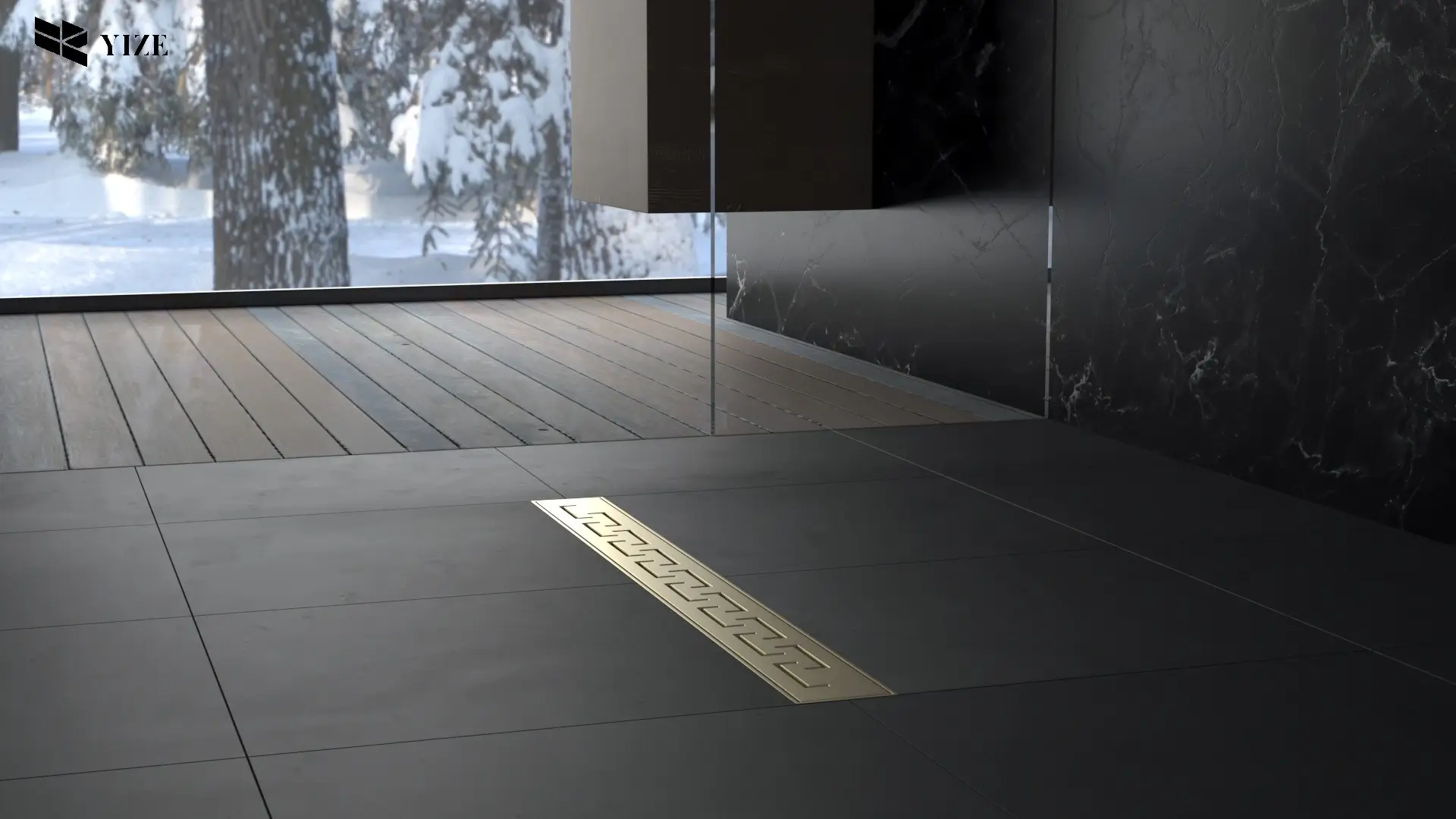
Cleaning and Clogging: While point drains concentrate debris at a single choke point (leading to frequent clogs), linear drains distribute debris collection across a wider channel. High-quality linear drains feature easily removable grates or tile inserts for quick cleaning.
Durability: Premium linear drains are typically manufactured from high-grade 304 or 316 stainless steel, offering superior corrosion resistance compared to plastic or thin-metal point drains. This reduces the likelihood of replacement costs within the first 5–10 years of the building's life.
V. Enhanced Project Value and Marketability
Finally, developers are recognizing that specifying premium linear drains enhances the perceived value of the property. In the competitive European real estate market of 2026, a sleek, minimalist bathroom with a hidden or tile-insert linear drain is a strong selling point for high-end residential and hospitality projects. The marginal increase in the drainage budget is easily offset by the higher resale value and the marketing appeal of a "modern wet room" design.
VI. Conclusion
For European developers in 2026, the choice is clear: while traditional point drains retain their place in strict budget-builds and small utility spaces, premium linear drains offer a lower Total Cost of Ownership. By saving on installation labor, accommodating modern large-format tile trends, enabling barrier-free designs, and adding tangible property value, the linear drain has moved from a "luxury upgrade" to a standard specification for quality-driven construction.
Investing in the right drainage system isn't an expense—it's a long-term saving.
Interested in our pricing? Please submit your inquiry to us.