
Table of Contents
more post
Tile-In vs Grate Cover Linear Drains–Which One Fits Your Target Market?
Why More EU Importers Are Sourcing Linear Drains from China Manufacturers
Wet Room Design Trends: Enhancing Spatial Value and User Experience in Luxury Hotel and Residential Projects
In the realm of high-end hotels and luxury residential projects, the bathroom space has long transcended its basic function of sanitation, evolving into a critical touchpoint that defines a project’s grade and influences user return rates. With the growing adoption of the Wet Room concept, the challenge for every B2B decision-maker is to leverage design to enhance both spatial value and operational efficiency. This article analyzes the core principles and commercial returns of wet room design, incorporating the latest trends for 2026.
I. Why Are High-End Projects Embracing Wet Room Design?
1. From "Compartment" to "Space": The Commercial Value of Minimalist Aesthetics
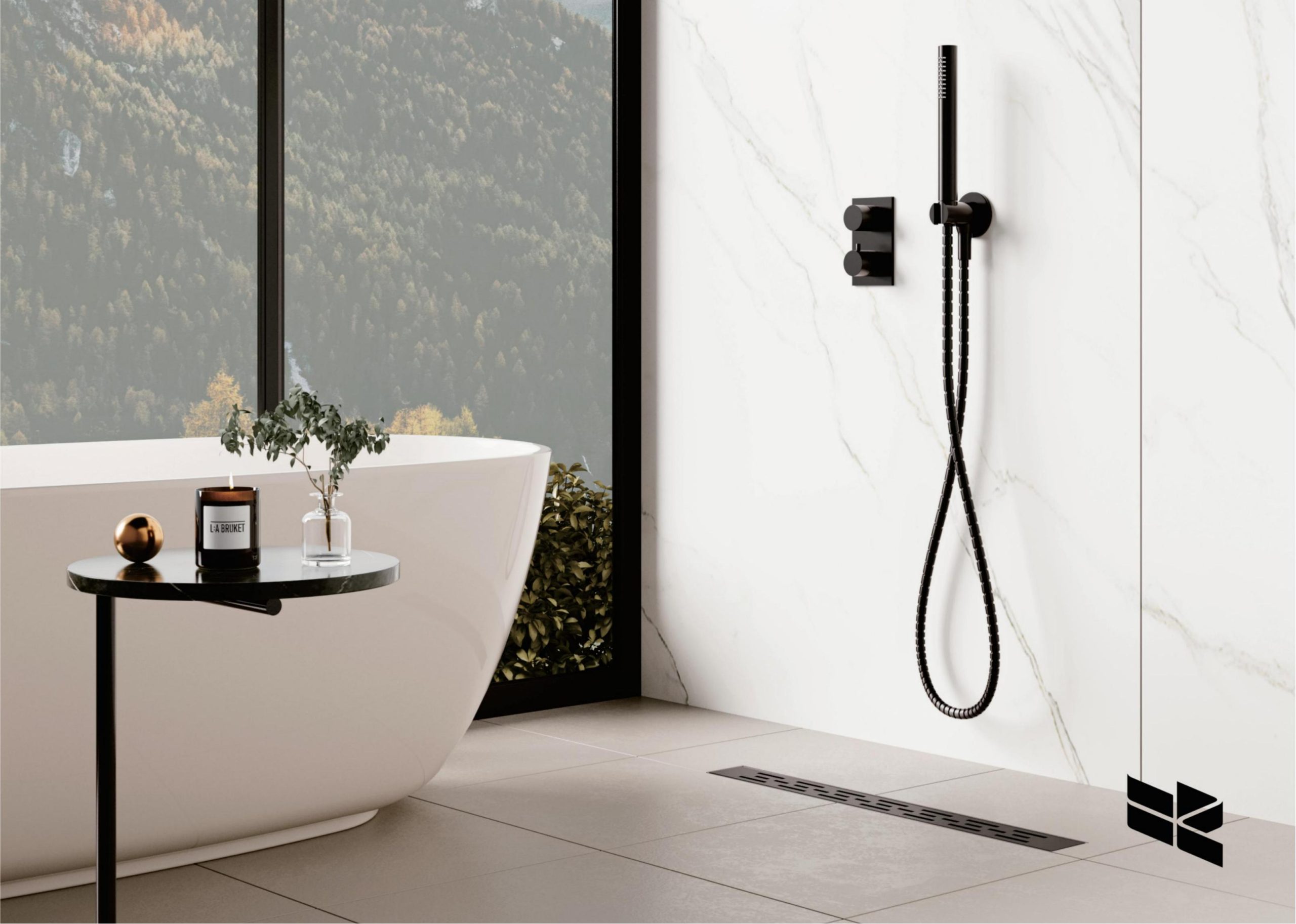
The traditional model of a "bathtub plus separate shower enclosure" is being phased out. Wet room design achieves a visually seamless transition by eliminating shower curbs and utilizing integrated waterproof shower trays. This minimalist approach not only meets the demand for a sense of openness among high-end clientele but also significantly reduces cleaning and maintenance costs for hotels by minimizing hard-to-clean corners.
2. Accessible Design: A Win-Win for Compliance and Future Value
Driven by an aging population and strengthened accessibility regulations, barrier-free wet rooms have become a standard feature in luxury projects. Level-access floors, integrated linear drainage systems, and non-slip materials not only cater to wheelchair users but also provide convenience for families with young children. Consequently, this directly expands the potential client base and enhances brand reputation.
3. The Hidden Boost in Operational Efficiency
For B2B clients, the advantages of wet rooms lie in standardization and durability. Reducing glass partitions and complex bathroom fittings translates to fewer maintenance work orders. Furthermore, utilizing large-format tiles or monolithic surfaces like micro-cement effectively inhibits mold growth and extends renovation cycles. From a long-term perspective, this is a strategic choice for reducing Total Cost of Ownership (TCO).
II. Three Core Trends in High-End Wet Room Design for 2026
1. Trend One: Smart Integration and the "Disappearing Sensory" Experience
High-end users are no longer satisfied with mere "smart features"; they seek an "unobtrusive intelligence" that blends seamlessly. This demands that B2B bathroom suppliers provide:
Invisible Technology: Recessed showerheads, wall-mounted bathroom faucets, and linear floor drains that conceal technology within aesthetics.
Full-Scenario Integration: Smart control panels enabling one-touch switching between shower modes (e.g., Morning Wake-up, Spa, Eco), elevating the sense of arrival and ritual for guests.
2. Trend Two: Material Innovation and "Housework Reduction"
Hotel operators are highly concerned with cleaning difficulty. Current trends favor:
Large-Format Slabs / Micro-cement: These minimize grout lines, eliminating water seepage risks while offering a more premium visual appeal.
Antimicrobial Surfaces: Using antimicrobial coatings or brass fixtures on high-touch points like faucets, smart toilets, and drains reduces cross-contamination risks—a critical specification for luxury projects in the post-pandemic era.
3. Trend Three: Modular Customization and Rapid Delivery
For chain hotels or large-scale turnkey projects, combining Modular Bathroom (Bathroom Pod) construction with wet room design is key to efficiency. Prefabricating the waterproof shower tray and pre-installing plumbing in the factory, with only hoisting and assembly required on-site, can shorten construction timelines by over 50%. This approach drastically minimizes quality risks associated with on-site wet trades.
III. B2B Project Implementation Guide: Mitigating Common Wet Room Risks
Wet room design demands extremely high standards for waterproofing technology. B2B projects often face the following challenges during implementation, which require advance planning:
|
Risk Point |
Solution (Confirm with Your Supplier) |
|---|---|
|
Drainage Efficiency |
Prioritize linear drainage systems and ensure a floor slope ≥1.5% to prevent water pooling. |
|
Waterproofing Failure |
A full-coverage tanking system (waterproof membrane) is mandatory, with reinforced detailing at internal corners. A 48-hour water containment test is essential upon completion. |
|
Cleaning Blind Spots |
Opt for wall-hung toilets and wall-mounted vanities to allow for unobstructed floor cleaning by robots or staff. |
IV. Conclusion: The Wet Room as a "Hidden Competitive Edge" in Luxury Projects
For hotel developers and luxury residential project stakeholders, the bathroom space is the most intimate area where users spend the most time. A well-designed wet room not only generates buzz through social media (think "Instagrammable bathrooms") but also, through its robust accessibility features and durability, fosters long-term loyalty among business travelers and families.
As your B2B partner, we recommend involving a professional bathroom solutions provider from the initial project planning stage. An integrated design approach—encompassing plumbing rough-ins, waterproofing systems, and smart technology—from the start helps avoid costly rework and modifications later on.
Let's start our collaboration now and create a win-win future.