
Table of Contents
more post
Tile-In vs Grate Cover Linear Drains–Which One Fits Your Target Market?
Why More EU Importers Are Sourcing Linear Drains from China Manufacturers
Linear Drains vs Traditional Drains: What European Builders Prefer in 2026
In modern European construction, especially in bathrooms and wet rooms, drainage design has become a critical factor influencing both functionality and aesthetics. Contractors, architects, and developers are increasingly comparing linear drains vs traditional point drains to determine the best solution for their projects.
So which option do European builders prefer in 2026? The answer depends on performance, installation efficiency, compliance, and design flexibility.
I. What Is the Difference Between Linear Drains and Traditional Drains?
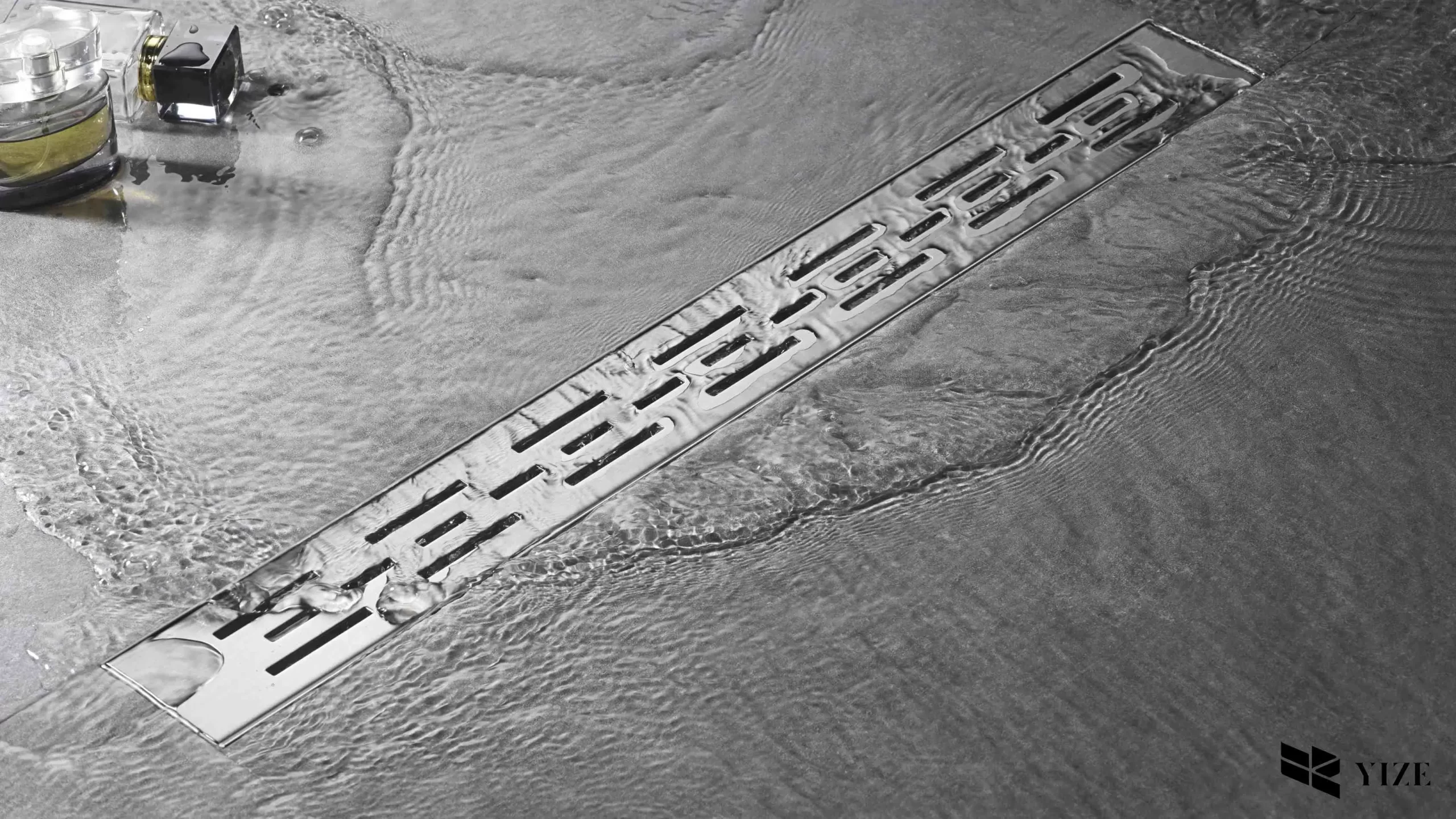
A linear drain collects water along a long, narrow channel, usually installed along a wall or at the edge of a shower.
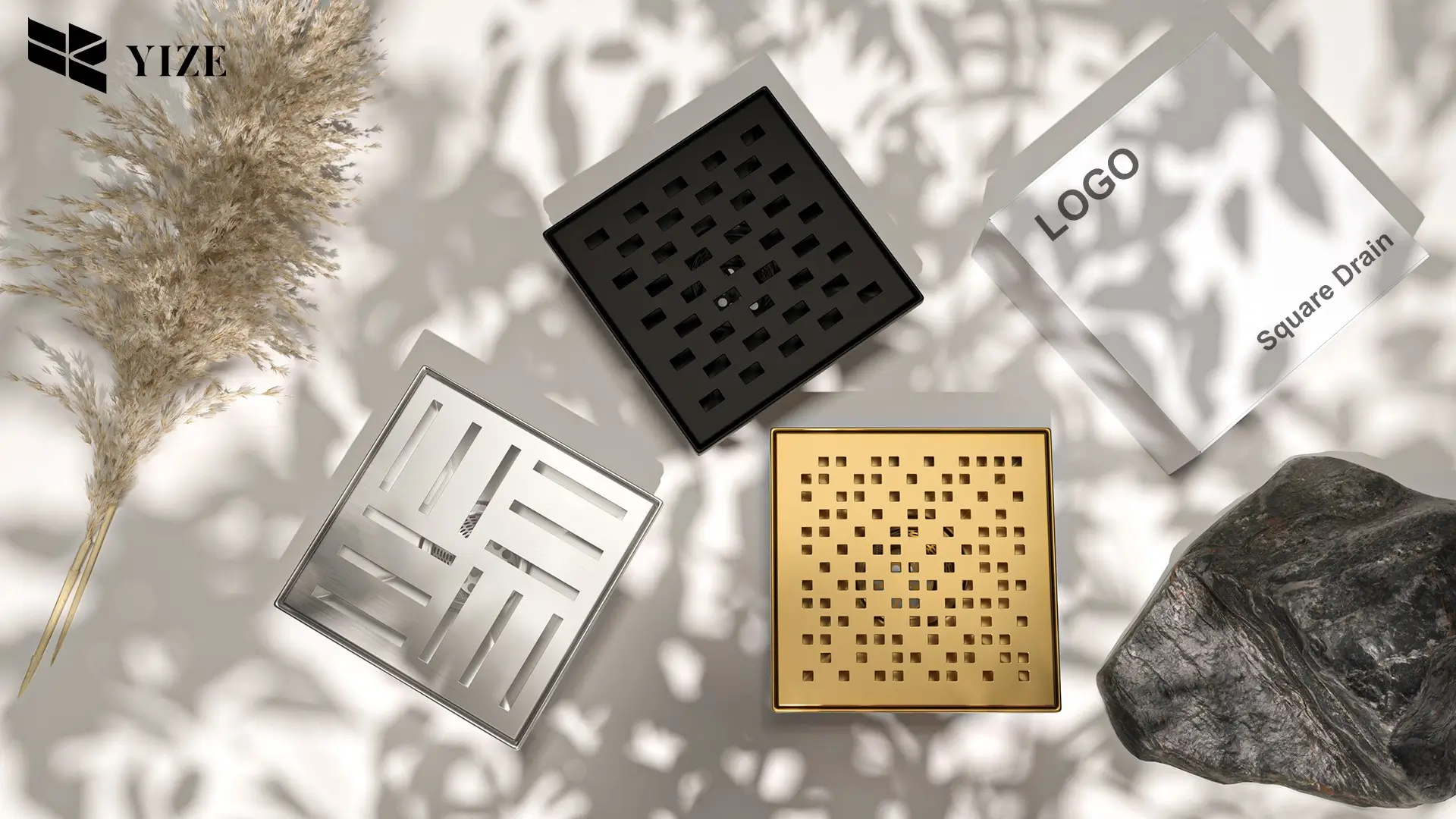
A traditional drain (point drain) collects water through a central outlet, requiring the floor to slope from multiple directions.
This structural difference directly impacts:
- Water flow efficiency
- Floor slope design
- Installation complexity
II. Drainage Performance: Which Is More Efficient?
Linear Drains:
Linear drains handle water more efficiently in high-flow environments because they collect water along an extended edge rather than a single point.
They are ideal for:
- Rainfall shower systems
- Large shower areas
- Commercial applications
Traditional Drains:
Traditional drains rely on water flowing toward a single center point. While effective in smaller spaces, they may struggle in larger or high-usage environments, sometimes causing minor water pooling.
* European trend: Builders increasingly prefer linear drains for high-end and large-scale projects.
IV. Installation & Construction Efficiency
Linear Drain Advantage:
- Requires only a single-direction slope
- Easier tile alignment
- Works well with large-format tiles
This simplifies construction and reduces installation errors.
Traditional Drain Limitations:
- Requires four-way slope
- Higher precision needed
- More complex tile cutting
*For contractors: slope tolerance is often a deciding factor in renovation projects.
IV. Design & Aesthetic Impact
Why European Designers Prefer Linear Drains:
- Minimalist, modern appearance
- Seamless integration with tiles
- Supports large-format tile layouts
Linear drains are widely used in contemporary European wet rooms and luxury bathrooms.
Traditional Drains:
More visible in the center of the floor
Can disrupt tile patterns
Better suited for classic or budget projects
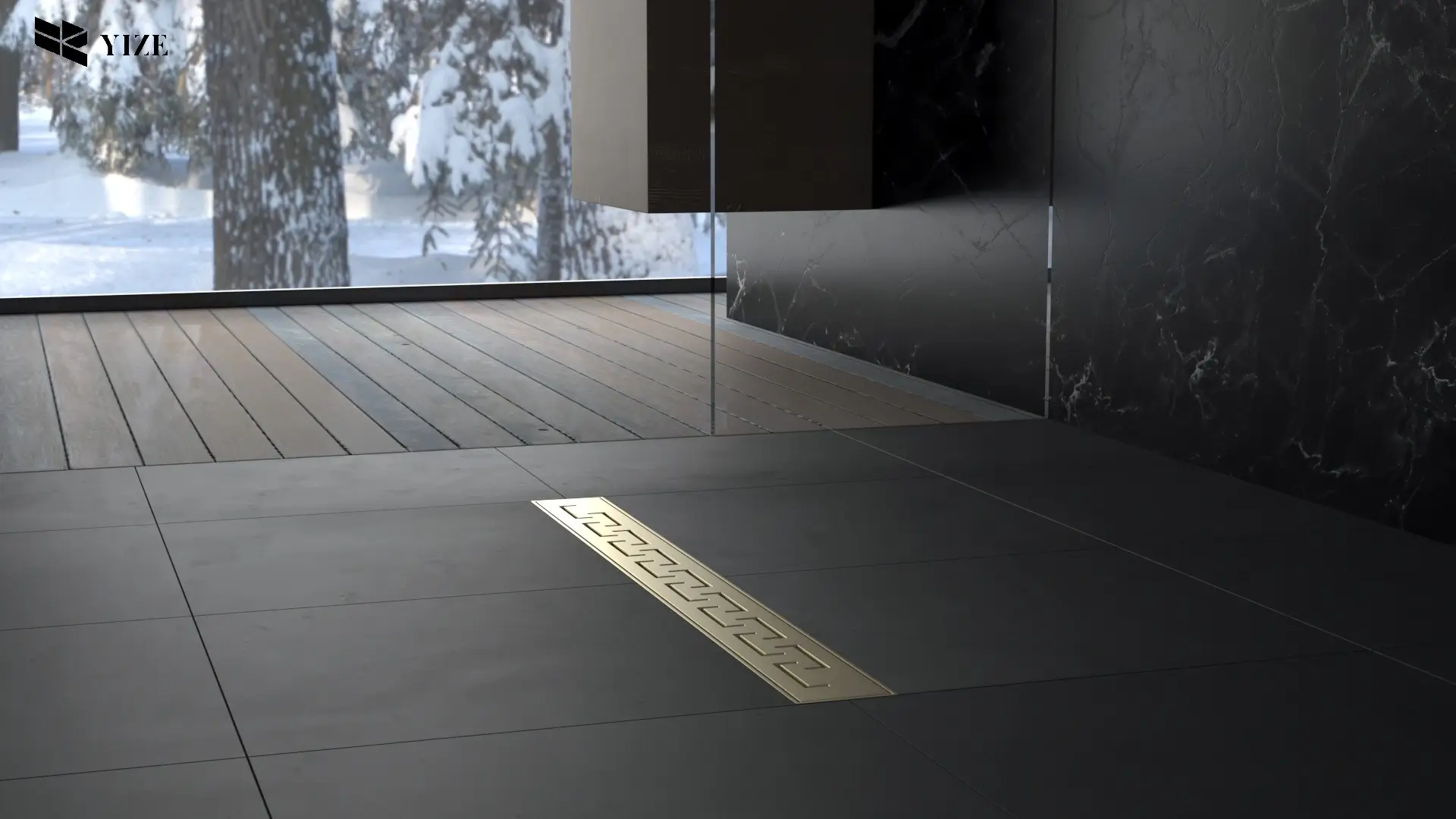
V. Accessibility & Wet Room Applications
Europe has seen rapid growth in barrier-free (walk-in) shower design.
Linear drains are ideal because:
- They enable curbless entry
- Provide level flooring
- Improve accessibility
They are commonly used in:
- Hotels
- Healthcare facilities
- Residential developments
Linear drainage systems are especially valued for accessibility and open-plan design.
VI. Maintenance & Long-Term Use
Linear Drains:
- Easier to inspect due to removable covers
- Debris spreads along the channel
- Requires regular cleaning
Traditional Drains:
- Debris concentrates in one location
- May clog faster if not maintained
- Harder to clean deeply
* In commercial environments, maintenance accessibility is a key consideration.
VII. Cost Consideration
Traditional Drains:
- Lower upfront cost
- Simple installation
Linear Drains:
- Higher initial cost
- Lower long-term installation complexity
- Higher perceived project value
* In Europe, developers often prioritize long-term value over initial cost, especially in premium projects.
VIII. Compliance with European Standards
Both systems must comply with:
However, high-quality linear drains are increasingly designed specifically to meet European wet room requirements, making them more suitable for modern projects.
IX. What European Builders Prefer in 2026
Based on current construction trends, linear Drains Are Preferred For:
- Hotels and luxury developments
- Wet rooms and walk-in showers
- Large-format tile installations
- High-end residential projects
Traditional Drains Are Still Used For:
- Budget projects
- Small bathrooms
- Standard residential construction
* Overall trend: Linear drains are becoming the dominant choice in modern European construction.
X. How to Choose the Right Solution for Your Project
Choose linear drains if you need:
- Modern design
- High drainage performance
- Flexible installation
- Premium project positioning
Choose traditional drains if you need:
- Lower upfront cost
- Simpler installation
- Basic functionality
XI. Conclusion
The choice between linear drains and traditional drains ultimately depends on project requirements.
However, in 2026, European builders are increasingly shifting toward linear drainage solutions due to their superior design flexibility, performance, and compatibility with modern wet room concepts.
If you are sourcing a reliable linear drain manufacturer for European projects, we provide:
- Stainless steel linear drains (304/316)
- Full compliance with EN 1253 & CE
- OEM & custom solutions
- Stable supply for large-scale projects
Contact us today for a tailored quotation.