The End of the Mosaic: Why Large Format Tiles Demand Linear drains

Imagine specifying €80 per square meter porcelain slabs for a high-end apartment in Munich. The tiles are flawless, the layout is minimalist—and then the tiler places a cheap, plastic circular grate right in the middle of the floor. The illusion is broken.

This is the reality facing European developers today. We have entered the era of large format tiles (60x60cm and up), but our drainage technology is stuck in the past. Traditional point drains are no longer just an eyesore; they are a structural liability.

In Germany, where building regulations are among the strictest in the world, the stakes are even higher. Compliance with DIN 18534​ is non-negotiable. Yet, point drains are notoriously difficult to seal properly, creating weak points in your waterproofing and exposing your project to costly warranty claims.

It’s time to align your drainage with your design. Here is why premium linear drains is the best choice for 2026.

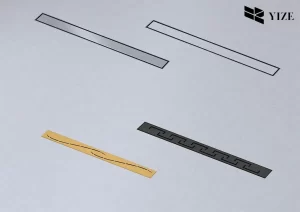
I. The Aesthetic Shift: From Busy to Seamless

For years, European bathrooms were defined by small ceramic squares and intricate mosaics. Today, the trend across Germany, the Benelux, and Scandinavia is clear: large format tiles. We are talking about slabs of 60x60cm, 120x60cm, and even larger.

This shift is driven by the desire for minimalism. Fewer grout lines mean a cleaner look, better hygiene, and a more luxurious feel. However, this aesthetic evolution has exposed the limitations of traditional plumbing.

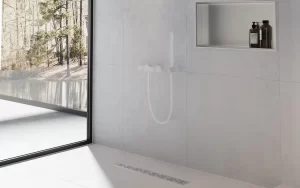
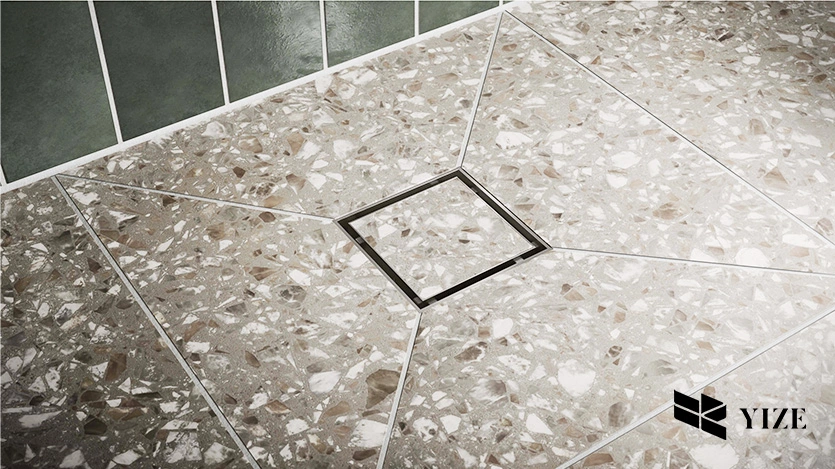
  • The Problem: Traditional point drains (the classic round or square grates) break the visual flow. They act as a “speed bump” in the middle of your beautiful, seamless floor.
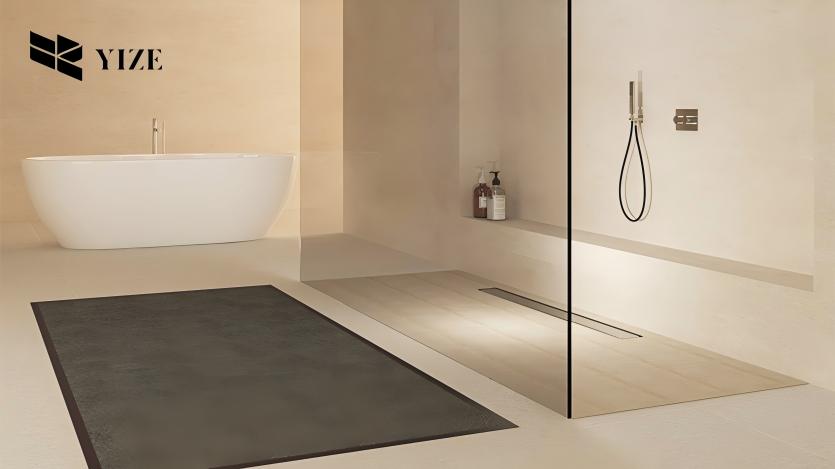
  • The Solution: Linear drains allow for Tile-in technology. You insert your matching floor tile into the grat

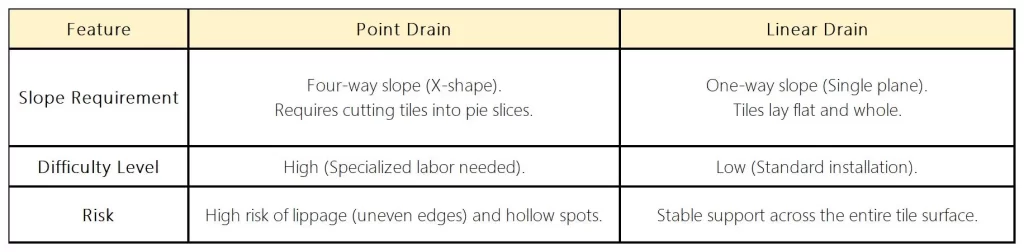
II. The Engineering Concern: Four-Way Slopes vs. One-Way Slope

The core conflict lies in the installation physics.

Point drain vs Linear drain

III. The TCO Advantage: Why Cheap Drains Cost More

In the European market, the Total Cost of Ownership (TCO) is the ultimate metric.

  • Reduced Labor Costs:simplified installation saves on-site hours.
  • Reduced Warranty Claims: Point drains often lead to standing water due to improper sloping. This causes mold and leaks behind walls. Premium linear drains ensure complete evacuation.
  • Material Efficiency: Large tiles are expensive. Every cut piece is wasted money. Linear systems preserve the material.

IV. Future-Proofing: Compliance and Accessibility

European building codes are increasingly strict regarding accessibility (Barrierefreies Bauen).

Curbless Showers: To create a walk-in shower without a threshold (curb), you need a floor that is almost level. This requires a high-capacity linear drain placed against the wall. A point drain cannot handle the low-slope requirements.

V. Conclusion: The New Standard

The era of the mosaic is over. As we move into 2026, large format tiles are the new standard, and they demand a drainage system that respects the material.

Choosing a linear drain isn’t just an aesthetic choice; it’s an engineering decision that reduces risk, saves time, and increases property value.


Ready for your next project challenge?

Contact us today to get a tailored linear drainage solution for the European market.

Leave a Reply

Your email address will not be published. Required fields are marked *